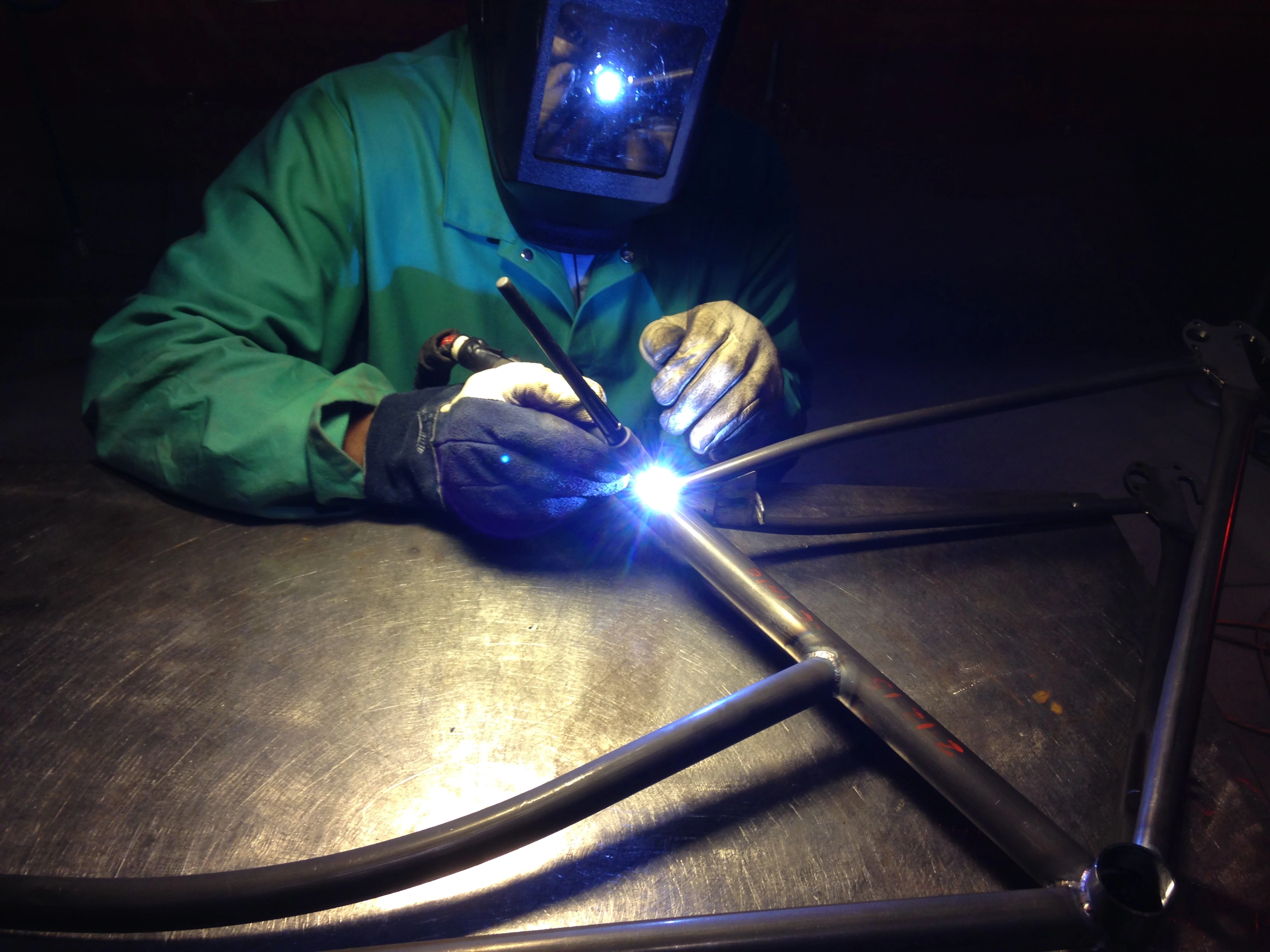
Many fabrication shops send procedure qualification to an unaffiliated outside lab. Jack & Sons qualifies its procedures with support from United Technical, our affiliated testing and welding-engineering organization on-site. Here's why that integrated WPS/PQR capability is a critical differentiator on defense programs — and what it means for your timeline and traceability.
The Problem With Outsourcing Procedure Qualification
When a defense program calls out a specific base material, filler metal, and applicable code — AWS D1.1, D17.1, MIL-STD-3040, or customer-specific — the clock starts ticking. If your fabricator has to send procedure development out to a third-party lab, you're already waiting. Days turn into weeks. Engineering changes get expensive.
Worse, when the procedure comes back from an outside source, the shop may not fully understand the parameters, the heat input limits, or why specific filler metals were chosen. That gap between the procedure document and the person executing the weld is where quality escapes happen.
What In-House WPS/PQR Actually Means
At Jack & Sons, we qualify our own welding procedures in-house through our affiliate United Technical's A2LA-accredited metallurgical laboratory — located at the same address. This means:
- We write the procedure specification (WPS) ourselves, based on the code and the material
- We run the test weld on-site
- United Technical performs the destructive testing — tensile, bend, macro examination — in their accredited lab across the hall
- We own the PQR data, we understand it, and we can reference it immediately when a question comes up
"When you own your procedure data, you control your timeline. When an outside lab owns it, they do."
Why This Matters Specifically for Exotic Materials
Standard carbon steel procedures are relatively straightforward. But when you're working with MIL-DTL-12560 armor plate, MIL-DTL-46100 high-hard armor, titanium, Inconel, or Hastelloy — procedure qualification becomes significantly more complex.
These materials have narrow welding windows. Preheat requirements are critical. Heat input limits are tight. Interpass temperature control matters. A shop that doesn't understand why those parameters exist in the procedure is a shop that's going to have weld repairs — or worse, rejections at final inspection.
We've qualified our own procedures for these materials because we know we're going to be welding them. That investment upfront means we can respond quickly when a customer brings us a new program on a tight timeline.
Traceability and First Article
Defense programs require documentation. First article inspection packages need to include the applicable WPS, the PQR test results, and welder qualification records. When all of that lives in-house, pulling together a first article submittal is straightforward. When it's scattered across outside vendors, it becomes a coordination problem.
Our ISO 9001:2015 certified quality management system maintains all procedure and welder qualification records internally. Every weld on a defense program traces back to a qualified procedure and a qualified welder. That's not optional — it's the baseline for doing this kind of work correctly.
The Bottom Line
If you're evaluating fabrication suppliers for a defense program that involves exotic materials, ask them who writes their WPS documents and where the test coupons get tested. If the answer involves multiple outside vendors, that's lead time and traceability risk you're absorbing. We eliminate both.